case study
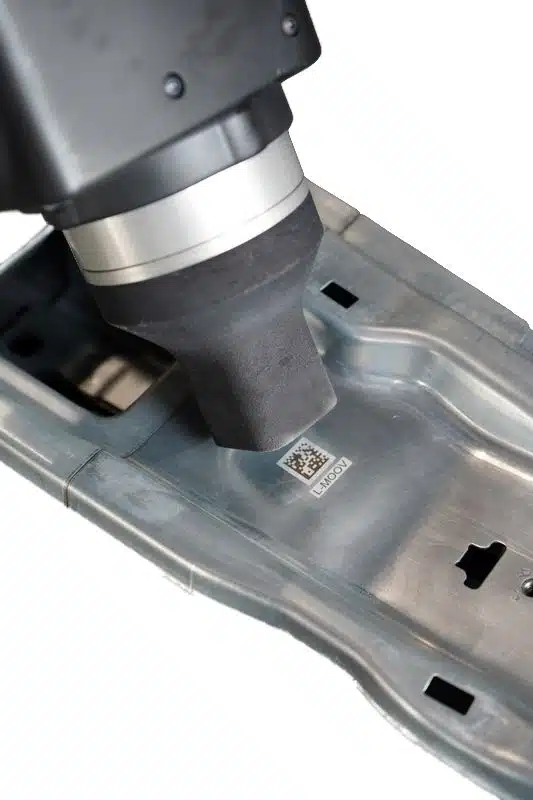
As part of mid-life maintenance operations on TER and TGV trainsets, a specialized workshop fully dismantles certain trains in order to replace internal structural and mechanical components.
These operations involve a large volume of spare parts (plates, reinforcements, gussets, fittings, brackets, tubes, rails, profiles, etc.), requiring clear and durable traceability throughout the maintenance cycle and when returning parts to stock.
The workshop was looking for a marking solution that would allow them to:
The customer needed to address several major challenges:
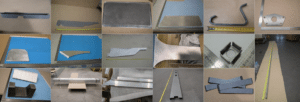
The diversity of parts to be marked is one of the main challenges of the application. Most components are flat parts such as plates, sheets, reinforcements, or gussets, generally measuring between 120 and 600 mm in length, 30 to 220 mm in width, and 5 to 12 mm in thickness.
A smaller portion consists of small mechanical parts such as fittings, shims, bushings, or brackets, with dimensions ranging from 50 to 240 mm in length, 14 to 120 mm in width, and up to 80 mm in height.
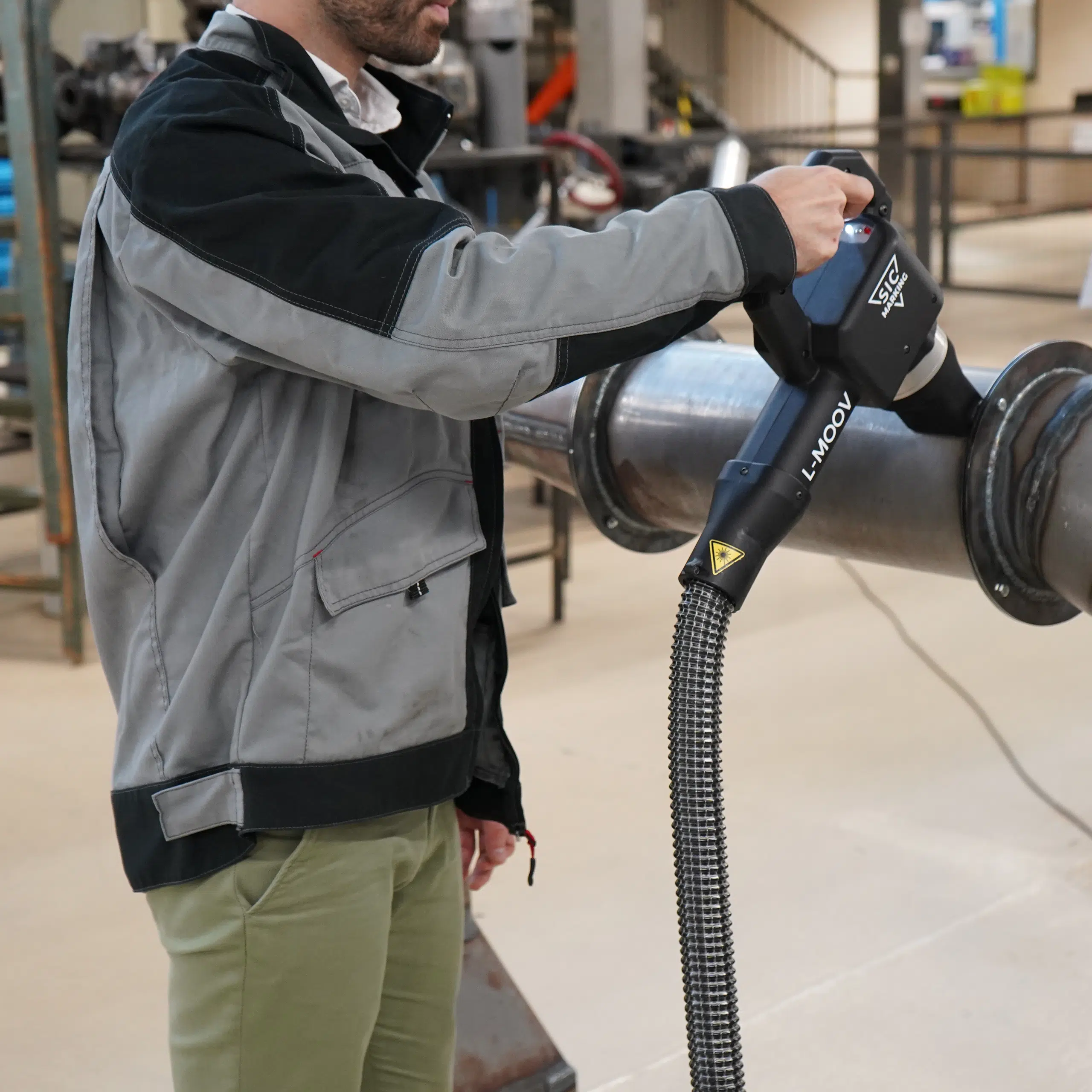
Finally, some parts have much larger dimensions — tubes, rails, profiles, or frames — which can reach up to 1,800 mm in length, 500 mm in width, and 250 mm in height.
This wide range of formats requires a marking solution flexible enough to adapt to parts ranging from small components to large structural elements.
Overview of the diversity of parts to be marked:
Several technical constraints had to be taken into account:
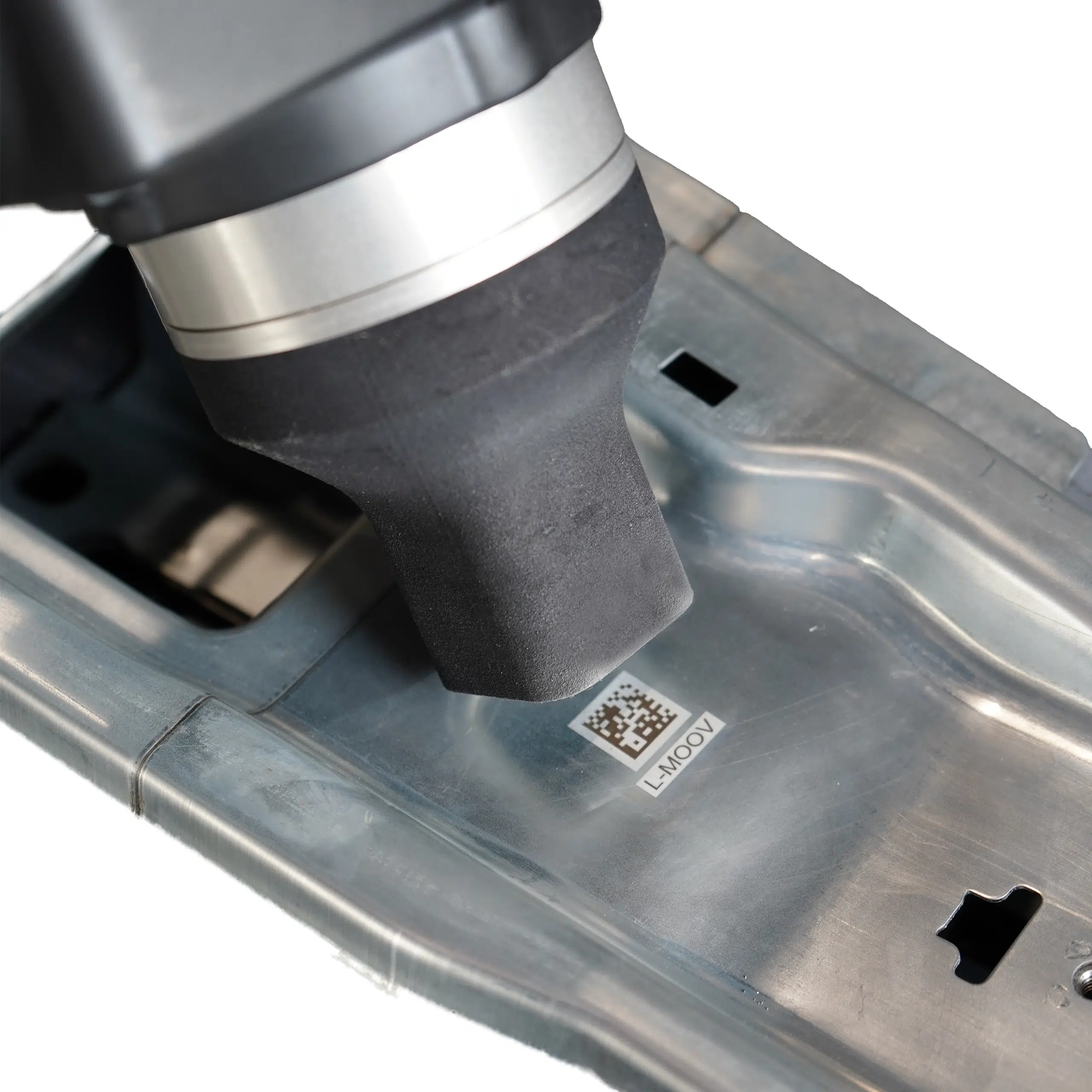
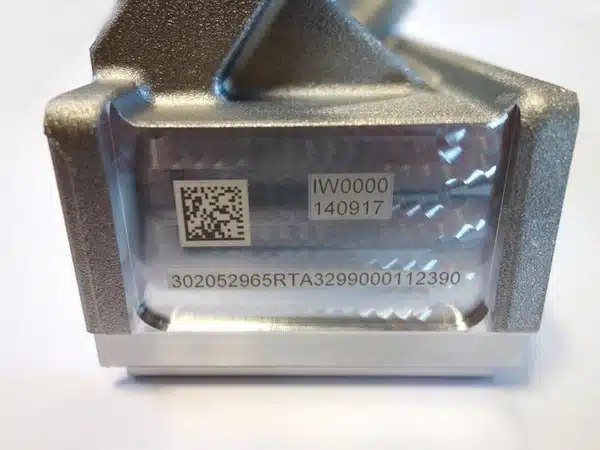
Why integrate a 2D code (DataMatrix or QR code) structured according to the GS1 standard?
The system needed to be flexible enough to cover three scenarios:
SIC MARKING Solution
To meet all these constraints, the following configuration was selected:
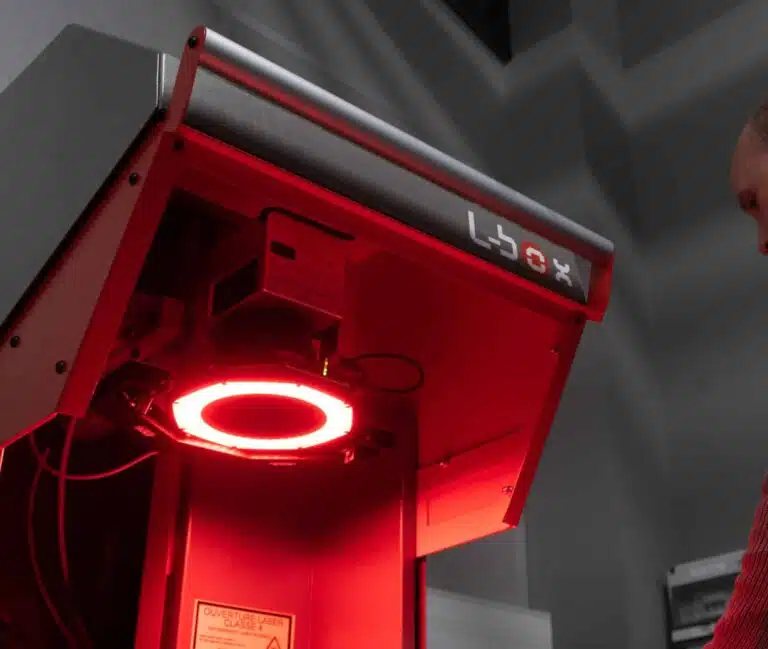
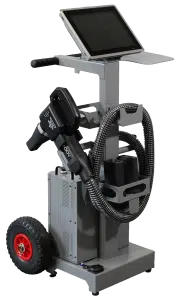
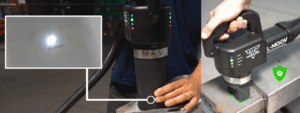
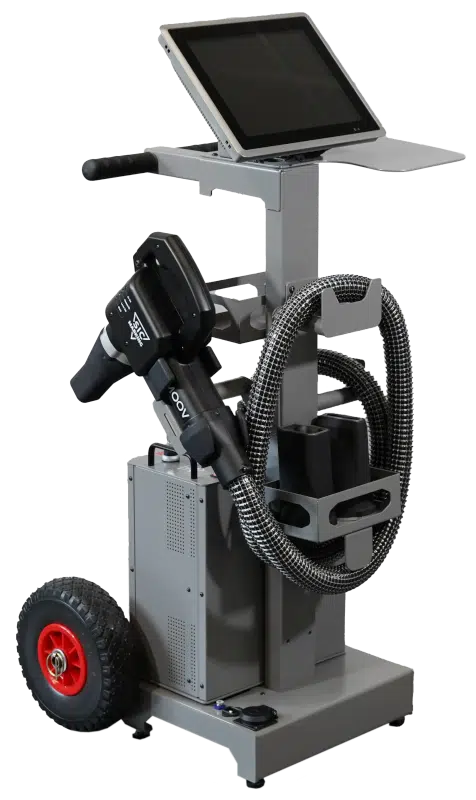
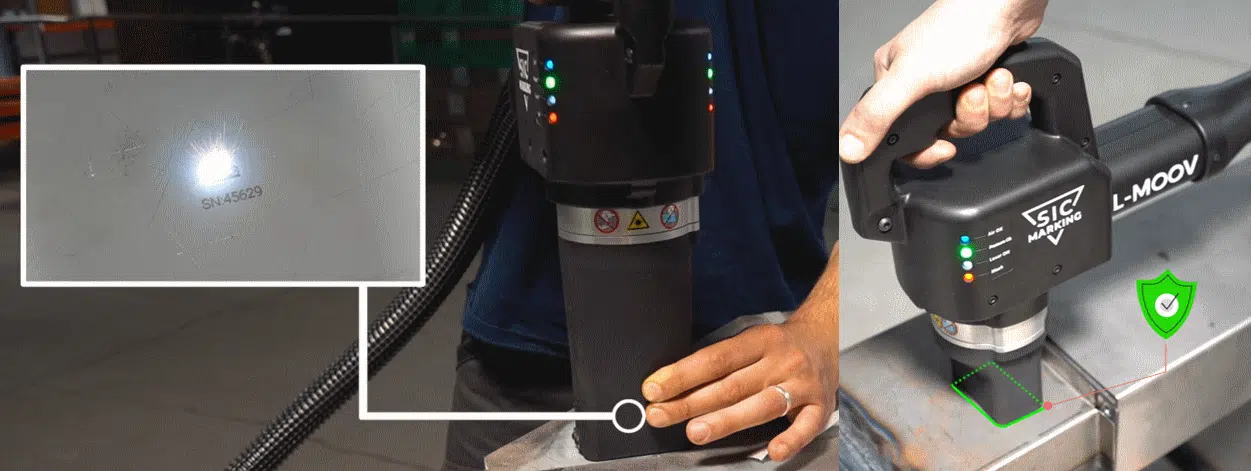
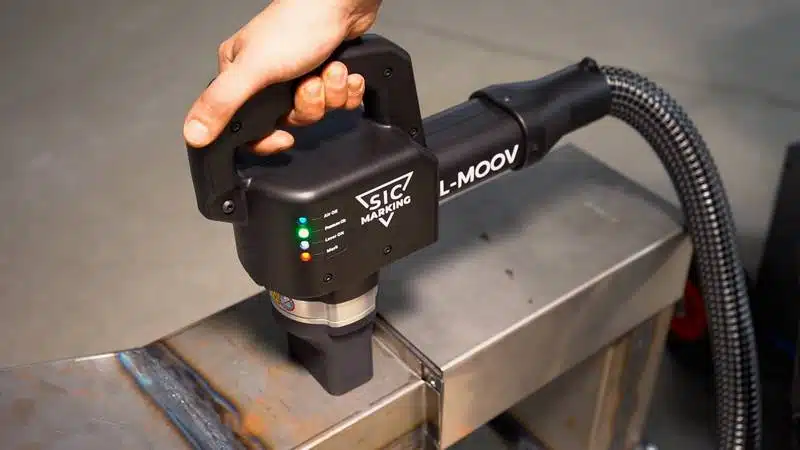
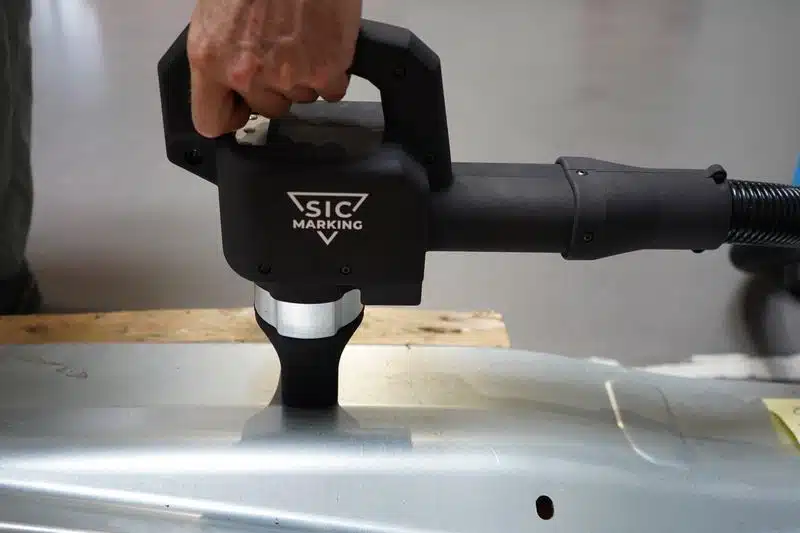
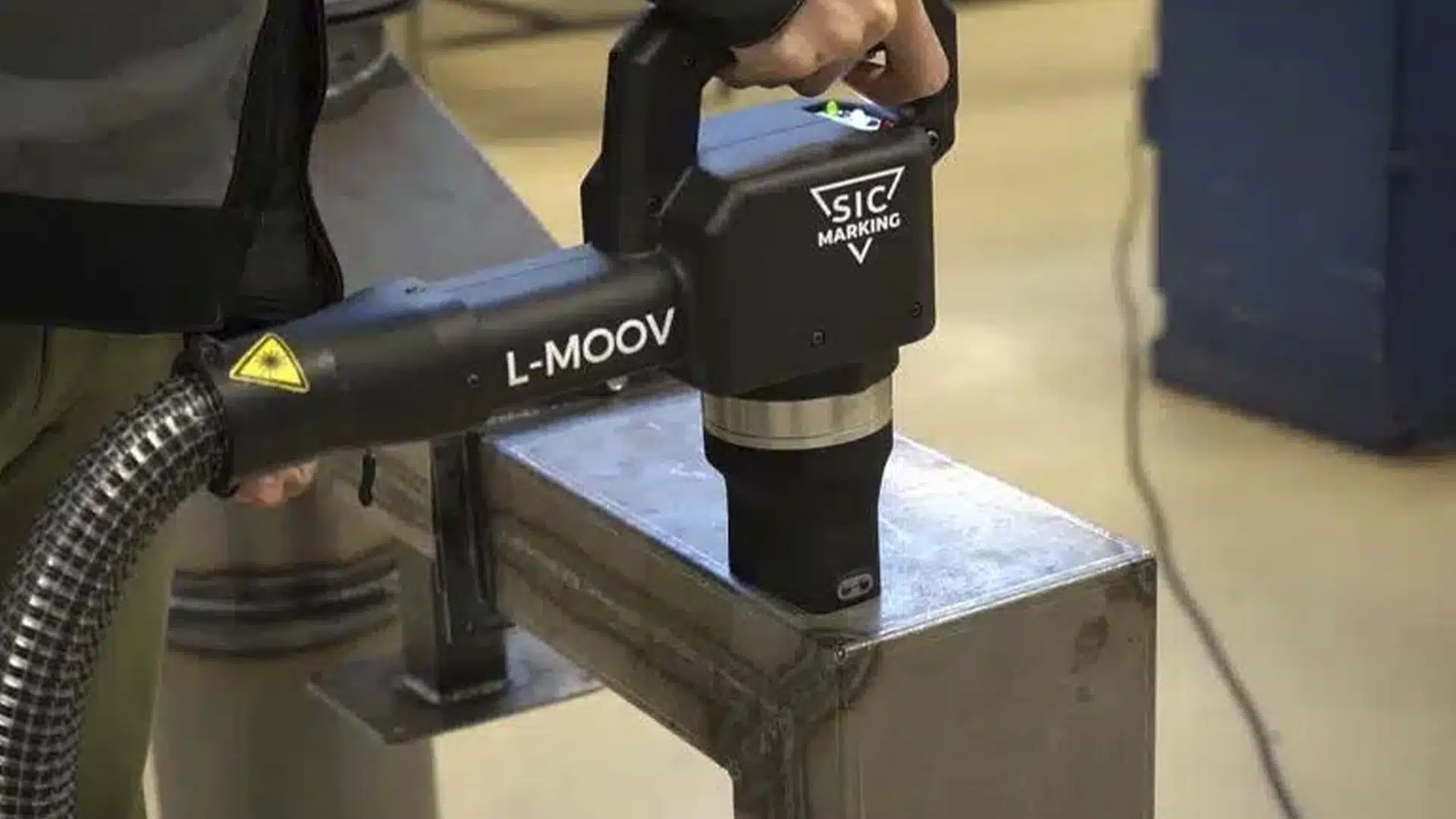
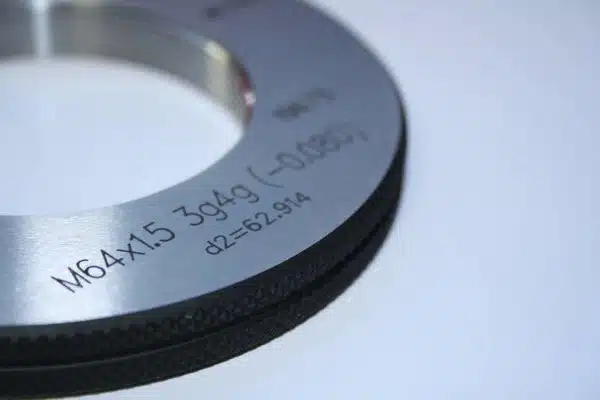
It is based on an L-MOOV 30W equipped with a 60 x 25 mm marking head as well as a defocused head dedicated to stainless steel, providing the ability to adapt marking to different materials and required contrast levels.
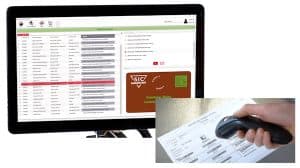
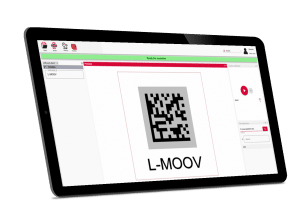
The solution also includes the SIC FACTORY AUTOMATION software, designed to simplify, secure, and automate industrial marking operations.
The equipment is mounted on a mobile cart and can be used in a fixed workstation with a cantilever and balancer setup, or in a mobile configuration without complex modifications. This modularity enhances both ergonomics and operational performance.
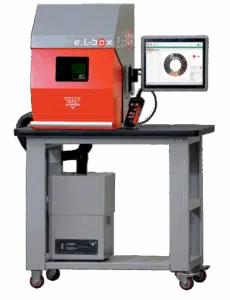
Finally, a protective enclosure sized according to the final parts completes the system to ensure secure marking, particularly for small components.
SIC FACTORY AUTOMATION – The control software designed for industrial productivity
The solution thus offers three modes of operation:
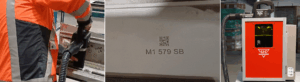
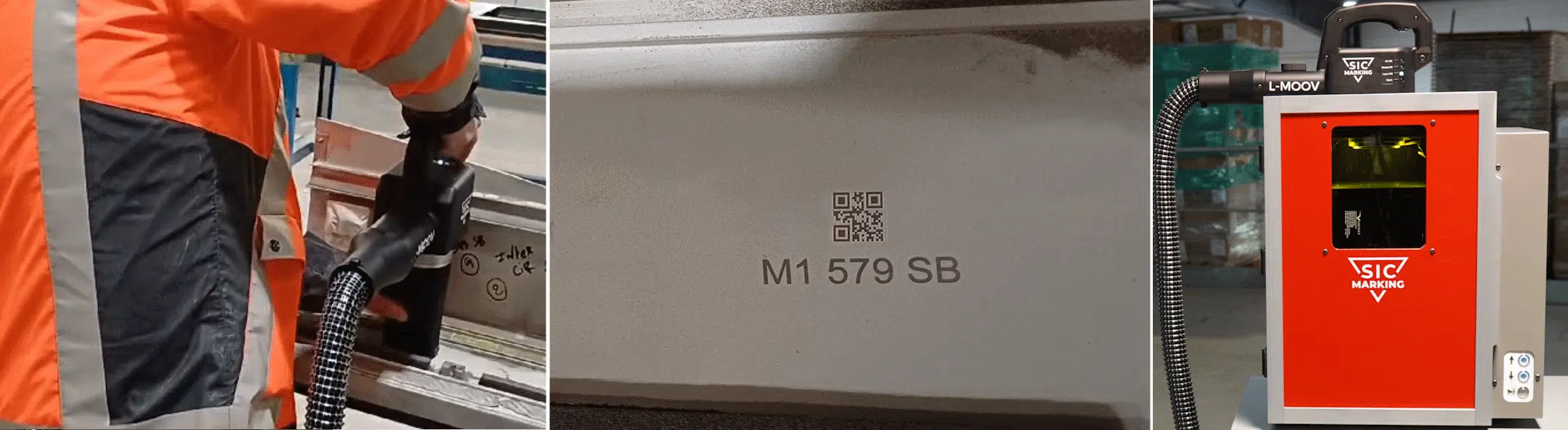
The deployed solution enables:
Most flat parts (88%) can be marked directly with the portable head, optimizing productivity. Small parts are secured in the dedicated enclosure, ensuring compliance and operator comfort. Very large parts can be marked without dimensional constraints thanks to the system’s mobility.
Thanks to a modular configuration combining mobility, safety, and power adapted to different materials, the workshop now has a reliable and scalable solution for traceability of its railway maintenance parts.
The implemented solution ensures more reliable maintenance operations and secure inventory management.
This project illustrates the capability of the portable L-MOOV laser to perfectly adapt to demanding industrial applications and the specific constraints of the railway sector.
our solutions
Discover our products
Explore our key marking equipment for laser, micro-percussion, or scribing applications, including Portable Machines, Line-Integrable Modules, and Standalone Marking Stations.
Want to learn more?
Contact us!